
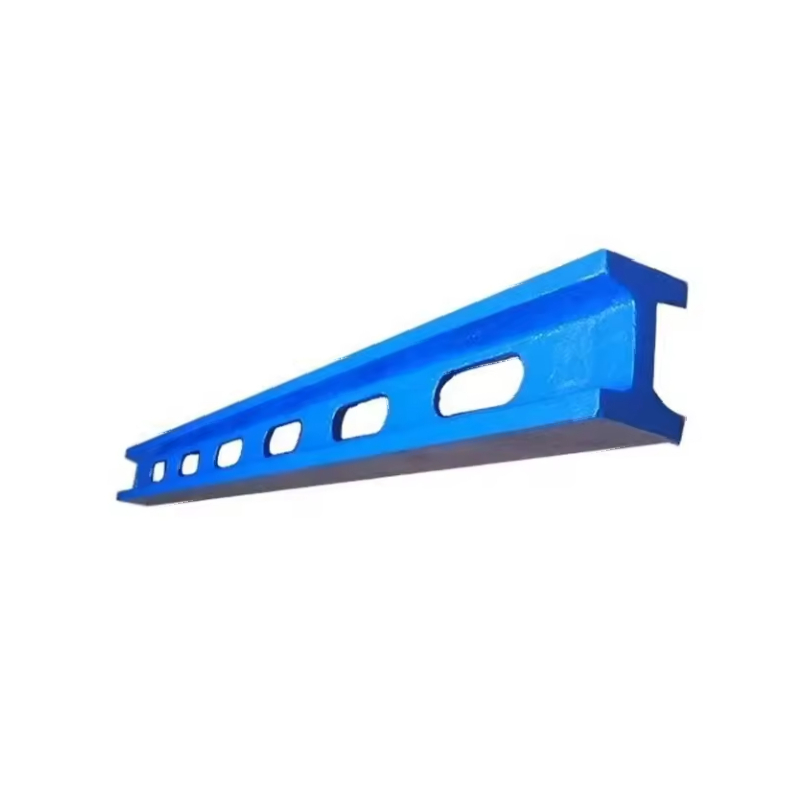
frosted tempered glass panels
Understanding Level Supplier Relationships in Supply Chain Management In today's dynamic business environment, the concept of level suppliers has gained significant traction within supply chain management. Level suppliers refer to the different tiers of suppliers that contribute to the production and delivery of a product or service. Understanding the structure and dynamics of these relationships is crucial for companies seeking to optimize their supply chains and improve overall operational efficiency. The Importance of Level Suppliers At the core of supply chain dynamics lies a network of suppliers that can be categorized into various levels. Level 1 suppliers are typically direct suppliers, providing raw materials or components directly to manufacturers. Level 2 suppliers, on the other hand, supply products or services to Level 1 suppliers. This hierarchy continues with Level 3 suppliers and beyond, forming a multi-tier supply chain. The significance of understanding these levels cannot be overstated. Each tier plays a vital role in delivering the final product to consumers. By analyzing the entire supplier hierarchy, organizations can identify potential risks, manage costs, and maintain quality control throughout the supply chain. This holistic view allows businesses to anticipate disruptions and implement strategic measures to mitigate them, ensuring greater resilience in the face of uncertainty. Building Strong Relationships Establishing solid relationships with level suppliers is an essential strategy for sustainable growth. Communication, collaboration, and trust are paramount in creating a robust supplier network . Companies must engage with their suppliers regularly to understand their capabilities, challenges, and contributions to the overall supply chain. Moreover, collaboration with Level 2 and Level 3 suppliers can foster innovation and efficiency. For instance, manufacturers can work closely with their suppliers to co-develop new technologies or materials that can enhance product quality or reduce costs. By involving suppliers in the product development process, businesses can leverage the expertise of their partners while building a sense of loyalty and commitment. level supplier Risk Management and Supply Chain Resilience The interconnectedness of level suppliers introduces multiple layers of risk within the supply chain. Natural disasters, geopolitical tensions, economic fluctuations, and other unforeseen events can disrupt operations at various levels. As such, companies must adopt a proactive approach to risk management. Diversifying the supplier base is one effective strategy to mitigate risks. By engaging multiple suppliers at different levels, businesses can ensure a steady supply of materials and components, even if one supplier faces challenges. Additionally, implementing technology solutions like supply chain visibility tools can help organizations monitor and assess the health of their supply chain, enabling them to react swiftly to potential disruptions. Cost Efficiency and Sustainability Level supplier management also presents opportunities for cost efficiency. By analyzing the performance and capabilities of suppliers across different levels, businesses can negotiate better terms, reduce lead times, and optimize inventory management. This approach not only lowers costs but also enhances the overall agility of the supply chain. Moreover, sustainability is becoming an increasingly important consideration in supplier relationships. Companies are now looking to partner with suppliers who adhere to sustainable practices, such as responsible sourcing and eco-friendly manufacturing processes. Incorporating sustainability into supplier selection criteria not only benefits the environment but also improves brand reputation and appeal to increasingly conscious consumers. Conclusion In conclusion, the concept of level suppliers is integral to effective supply chain management. By understanding the layers of supplier relationships, building strong partnerships, managing risks, and pursuing cost efficiencies and sustainability, organizations can enhance their supply chain performance. Companies that prioritize these aspects will be better positioned to navigate the complexities of modern supply chains, ensuring long-term success in an ever-evolving marketplace. Embracing level supplier strategies is not just a tactical choice; it is a fundamental element of a resilient and forward-thinking business approach.
about
frosted tempered glass panels
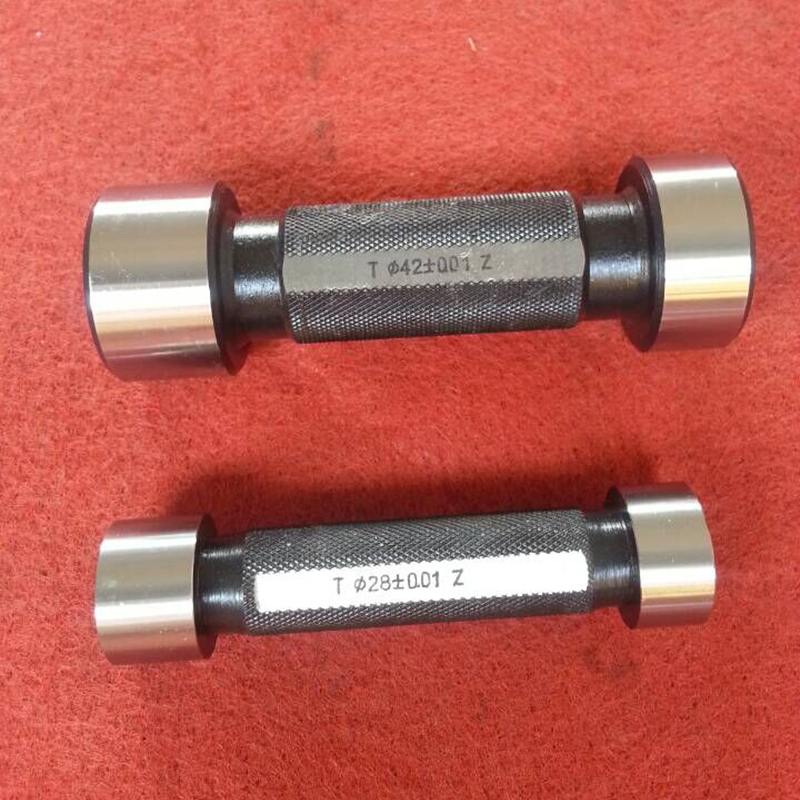
Tipi di gauge a spina una panoramica I gauge a spina, o plug gauge, sono strumenti fondamentali utilizzati nella misurazione e nel controllo delle dimensioni delle parti meccaniche. Questi strumenti assicurano che i pezzi rispettino le specifiche richieste, garantendo così la qualità e l'affidabilità dei prodotti finiti. Esistono diversi tipi di gauge a spina, ognuno con caratteristiche specifiche e applicazioni particolari. Tipi di gauge a spina una panoramica Un altro tipo è il gauge di misurazione, che viene utilizzato per ottenere misure più precise di dimensioni specifiche. Questi strumenti possono fornire letture dettagliate e sono spesso utilizzati in laboratori di metrologia e nella produzione di alta precisione. types of plug gauge Esistono anche i gauge a spirale, spesso utilizzati per misurare il diametro interno dei fori. Questi strumenti sono estremamente utili per applicazioni in cui è necessaria una misurazione accurata di aperture non standard o di forme irregolari. Inoltre, ci sono i gauge digitali, che offrono vantaggi moderni come la facilità di lettura e la memorizzazione dei dati. Questi strumenti sono particolarmente apprezzati nei settori ad alta tecnologia, dove la precisione e l'efficienza sono cruciali. Infine, è importante notare che i gauge a spina devono essere calibrati regolarmente per mantenere l'accuratezza delle misurazioni. Una calibrazione adeguata è essenziale per garantire che i processi produttivi siano in linea con le normative di qualità e sicurezza. In conclusione, i tipi di gauge a spina sono vari e ognuno ha il proprio impiego specifico nel mondo della meccanica e della produzione. Scegliere il gauge giusto è fondamentale per garantire la qualità e la precisione dei prodotti, essenziali in un mercato competitivo.
-

High quality industrial productsagement

High quality industrial products
View Details -

Meet the diverse needs of customers

Meet the diverse needs of customers
View Details -

Strict quality control

Strict quality control
View Details -

Top raw materials

Top raw materials
View Details -

Trusted supplier

Trusted supplier
View Details
Our application


news and information

Y turi filtr uchun strainer va suyuqlik tozalash tizimlari
Y Turi Filteri va Suvni Tozalashda Uning O'rni Y turi filtri suvni tozalashda muhim rol o'ynaydi. Bu

Y-Type Cast Iron Strainer for Efficient Fluid Filtration and Flow Control
The Importance of Cast Iron Y-Type Strainers in Industrial Applications In various industrial applic
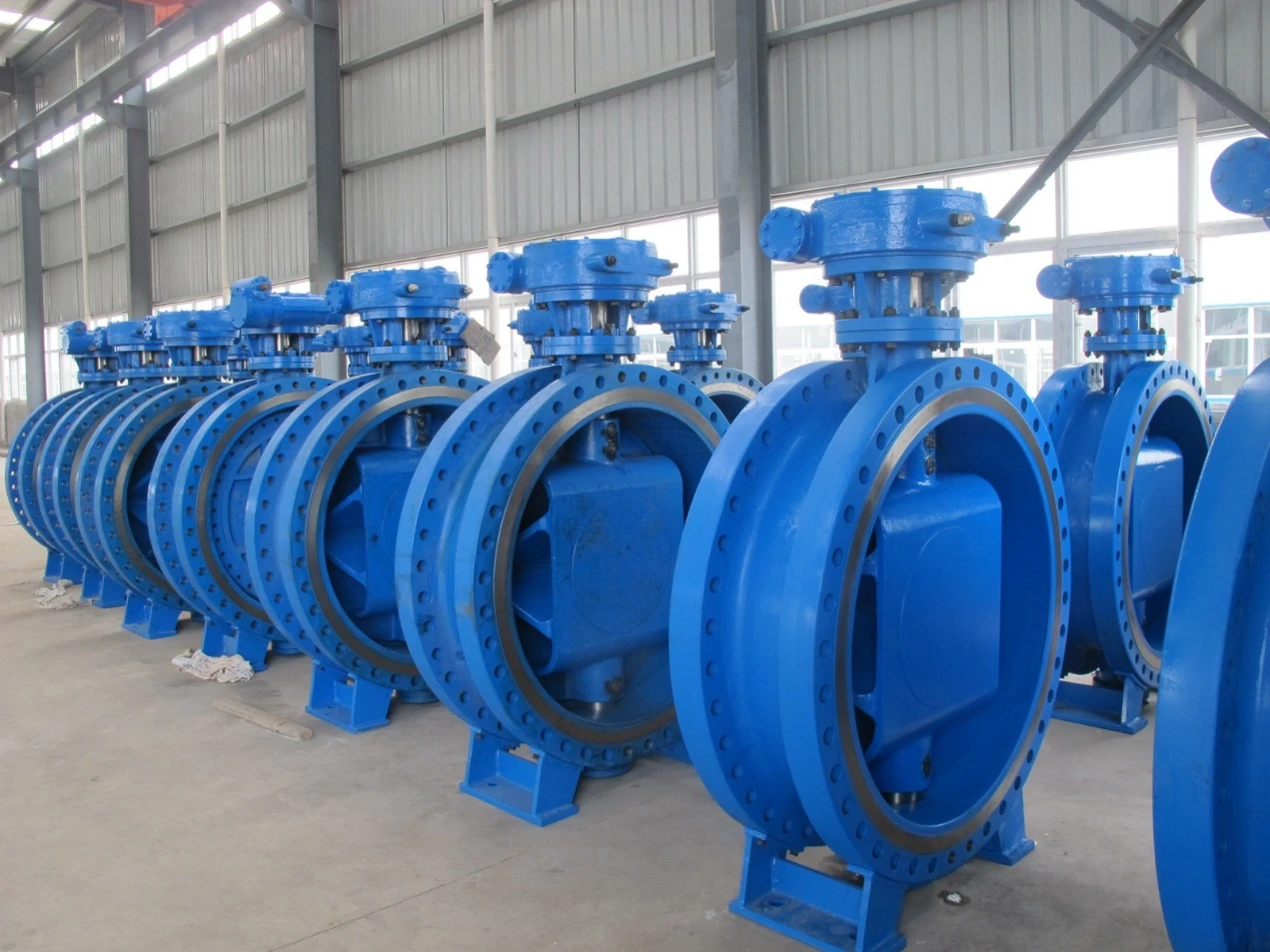
Versatile Ground Anchors for Enhanced Stability and Adaptability in Various Applications
The Versatility and Importance of Adjustable Ground Anchors Ground anchors have long been an essenti
 English